
Roblox review
 Analysis by GetAllApps
Roblox is best understood not as one adventure with a fixed plot, but as a vast playground of experiences made by different creators. That variety is its biggest strength and its main complication: I can move from one kind of game to another without leaving the app, yet the overall quality and feel can change dramatically from one experience to the next. If you enjoy browsing, trying things out, and occasionally finding a favorite in an unexpected place, it can be remarkably engaging. If you want a carefully paced, consistent adventure designed from beginning to end by one team, it is a less obvious fit.
A changing library, not one traditional game
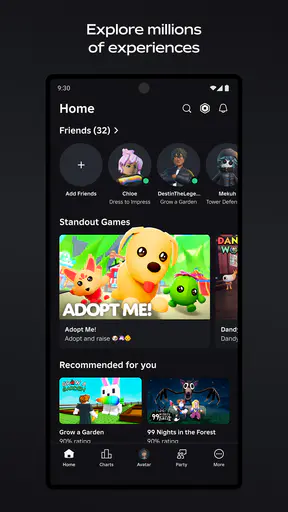
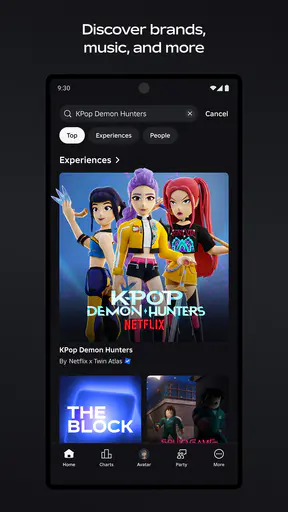
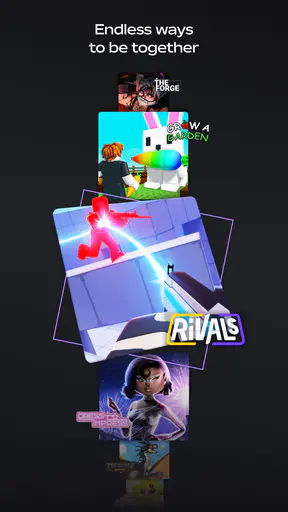
Published by Roblox Corporation, this free adventure game gives players access to a large and continually growing collection of games across many genres. The name on the icon stays the same, but the experience you enter may feel entirely different from the one you played before. That makes Roblox closer to a shared platform for discovering games than a conventional single-title adventure.
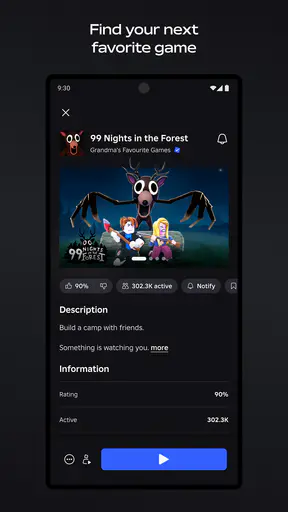
The range is useful in ordinary life. I might have only a few minutes and want something simple to explore, or have more time to settle into an experience with friends. Instead of committing to one campaign, I can browse, sample something new, and return to a favorite. The trade-off is that discovering the right game takes some judgment: the overall app is not a guarantee that every individual experience will suit my mood.
That distinction matters when deciding what to expect. Players who enjoy the freedom of choosing between very different activities may find the variety refreshing. Those who prefer a clearly defined story, consistent controls, and a steady difficulty curve may find the collection less satisfying than a focused adventure game. Roblox rewards exploration more than it promises a single, polished journey.
Why the variety works
The strongest argument for the platform is how quickly it can change pace. A player who tires of one genre does not have to finish a long campaign before trying something else. That makes the app easy to revisit, especially for households or groups whose members do not all want the same kind of game. One person can look for something playful while another searches for a more challenging experience.
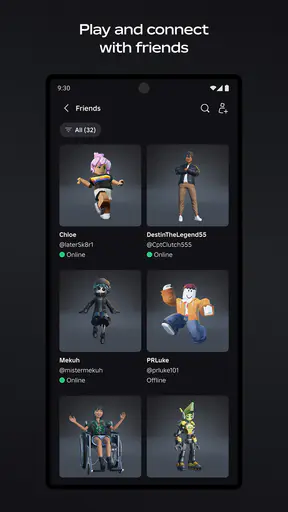
There is also a social side to that choice. When friends are already interested in a particular experience, Roblox can be a convenient place to meet and play together. But I would not treat that as automatic: a shared platform does not mean every game will appeal to everyone, and choosing what to play still takes coordination. Agreeing on one experience before starting can save a group from spending more time browsing than playing.
Its scale is hard to ignore: Roblox has more than a billion installs, an average rating of 4.2, and around 53 million ratings. Those figures point to a platform many people return to, but they do not tell me whether a particular game inside it is a good match. I use the collection’s breadth as a reason to explore, not as a promise that every discovery will be worthwhile.
How I would approach discovery
My practical advice is to browse with a small goal instead of opening the app and expecting it to choose for me. Decide whether you want a quick diversion, something to play with friends, or a different genre from your last session. Then try one experience at a time and give yourself permission to leave if it does not click. That approach makes the variety feel like a benefit rather than an endless menu.
A useful habit is to remember which experiences you actually enjoyed, rather than judging the whole platform by the first one you open. With a collection this broad, an unappealing first choice says more about that particular game than about every option available. Conversely, finding one great experience does not mean every other one will match its quality or style.
This is one of the less obvious trade-offs: choice can extend the life of the app, but it also shifts some work onto the player. In a traditional adventure, the developers decide what comes next and build a consistent path. Here, I have to make more of the decisions myself. Players who enjoy that light curatorial role may find it part of the fun; anyone who would rather press start and follow a designed story may see it as friction.
Where the experience can be uneven
The main limitation is inconsistency. Because Roblox contains many distinct games, the quality, pacing, and feel are not uniform. Some experiences may suit a player immediately, while others may feel confusing or simply fail to hold attention. I would not judge the platform by one poor session, but I would also avoid assuming that its enormous selection makes every option equally compelling.
Browsing itself can become the activity. If I open the app without an idea of what I want, it is easy to spend time switching between possibilities instead of settling into one. For a short break, that can be annoying: a focused standalone game may get me into its main activity faster. A simple workaround is to choose a broad mood first and stop searching once I find something that meets it.
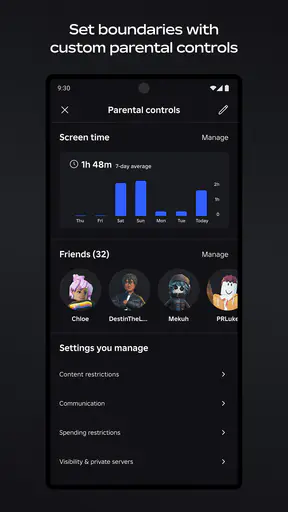
There is another important difference from a conventional adventure purchase: the app is free, while optional in-app purchases range from fifty cents to just under two hundred dollars per item. That wide range makes it sensible to treat purchases as a deliberate choice, not an assumed part of play. If a child will use the app, I would set clear expectations about spending before handing over a device and make sure the adult responsible understands the purchase controls available on that device.
The audience rating is Teen, so I would not assume that every experience is appropriate for every age just because it is easy to enter the wider platform. Families should make their own decision about suitability and supervision. For younger players in particular, I would take time to understand what they are choosing and establish boundaries around both play and purchases, rather than relying on the platform’s broad appeal as a substitute for parental judgment.
Everyday use and practical fit
Picture a rainy afternoon when two friends want to play but cannot agree on a genre. Roblox is appealing in that situation because the group can look for a shared experience instead of arguing over which single game to launch. I would still set a time limit for choosing: agree on a rough type of activity, test one option, and move on only if it clearly is not working. That small bit of structure helps the app’s variety serve the group rather than slow it down.
It can also suit someone who likes sampling games in short sessions. You do not need to approach it as one huge commitment, and a change of mood does not require abandoning a long narrative. On the other hand, if your ideal evening is a carefully authored story with a stable tone and a clear ending, I would choose a dedicated adventure instead. Roblox’s breadth is not a replacement for the focus those games provide.
For players comparing it with other games in the adventure category, the key difference is that Roblox is a collection rather than one authored adventure. That means greater variety and the chance to find experiences that match different moods, but less consistency from one session to another. A conventional single-player adventure is usually the better choice for a reliable story and cohesive progression; Roblox is stronger when discovery, changing activities, or playing with friends matters more.
Age, access, and ongoing changes
Roblox was released on July 15, 2014, and its current version is 2.744.1081. It runs on Android 8.0 or later. I would check the device’s operating system before installing, particularly on an older phone or tablet, and keep the app updated so I am using the current release rather than an outdated build.
Because this is a collection that grows and changes, my impressions of any one visit should be understood as a snapshot of the experiences I chose. What I enjoyed most may not be what a friend finds, and a game that seems promising from its name may not deliver the kind of session I wanted. Being willing to sample and switch is more useful here than expecting a single recommendation to settle the question for everyone.
That changing nature also shapes how I would recommend it to a new player: think of the first session as an introduction to the platform, not a test that decides whether all of Roblox is for you. Try a couple of different kinds of experience, notice what feels engaging, and use that preference to guide the next search. If nothing appeals after a fair try, a more focused game may simply fit your taste better.
Who I would recommend it to
I would recommend Roblox to curious players who like variety, enjoy discovering games for themselves, or want a shared place to try different activities with friends. It is also a good match for someone who does not need every session to continue a single story and is happy to move on when an experience stops being fun. Its free entry makes it easy to explore, as long as optional purchases are handled thoughtfully.
I would be more cautious about recommending it to someone who wants one consistent, tightly directed adventure, or to a parent who is not prepared to take an active interest in what a Teen-rated platform offers. People who dislike browsing may also be happier with a standalone game that gets straight to a specific campaign or play style.
My verdict is that Roblox is compelling because it lets players choose what kind of game they want to play, not because every experience inside it is equally strong. Its huge range can make it a lively destination for discovery and group play, while the unevenness, browsing effort, and optional spending call for sensible expectations. Try it if you enjoy choosing your own adventure; look elsewhere if you want one dependable story from start to finish.
Pros and cons
Pros
- A huge range of player-created games keeps the experience varied.
- Players can create and publish their own games with Roblox Studio.
- Cross-platform play lets friends join from supported devices.
- Private servers offer more control over who joins a game.
- Parental controls help manage chat and account settings.
Cons
- Game quality varies widely between creator-made experiences.
- Some games rely heavily on Robux purchases.
- Chat with strangers may require careful safety settings.
- Many experiences need a stable internet connection.
- Roblox Studio can be challenging for new creators.


